Continuous Line Design of Protection
A Beachside Whisper, Not a Shout
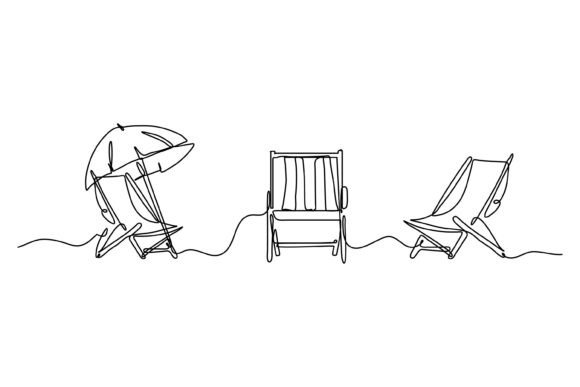
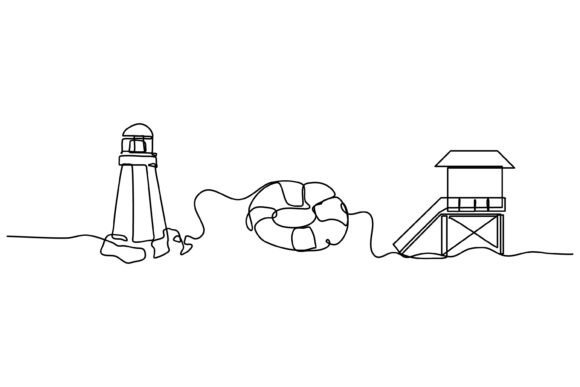
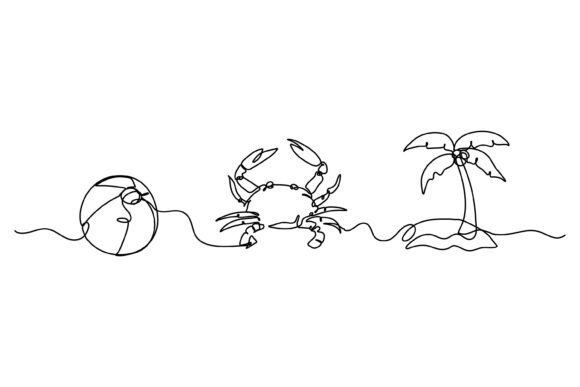
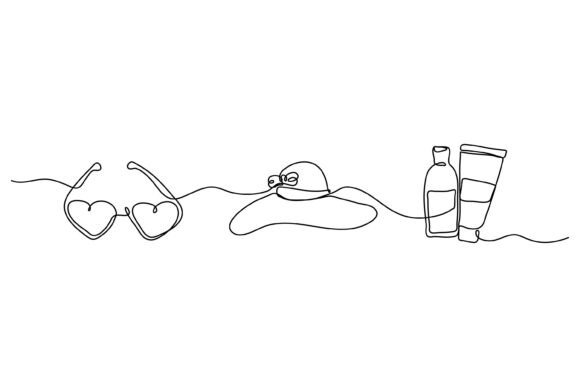
First glance at Continuous Line Design of Protection lands softly — no sharp angles, no dense fills, just one unbroken line tracing a gentle, protective shape against an open white field. It feels coastal but not cliché: think dunes, not palm trees; quiet guardianship, not bold slogans. As an embroidery designer who’s stitched hundreds of beach-themed pieces for Etsy sellers and boutique baby lines, I immediately sensed its strength isn’t in complexity, but in calm intention. This isn’t a design that shouts “vacation!” — it murmurs “safe harbor.” That subtlety makes it unusually versatile for real projects where emotional resonance matters more than visual noise.
Where It Lives Beautifully in Real Embroidery
I tested Continuous Line Design of Protection on three actual product types: a linen tea towel for a small kitchen shop, a cotton baby onesie for a personalized gift line, and a heavyweight canvas tote for a coastal wellness brand. On all three, it held up with quiet confidence. The single-line nature translates cleanly into a clean running stitch or delicate satin outline — no fill stitch needed, no risk of puckering on lightweight fabrics. For the onesie, it stitched flawlessly over soft interlock knit when paired with tear-away stabilizer and 40-weight thread. On the tote, it anchored the lower corner without overwhelming the hand-stitched feel customers pay for. And on the tea towel? It looked like it belonged — not printed, not slapped on, but *woven* into the item’s quiet rhythm.
This design thrives where restraint is respected: embroidered patches for aprons, minimalist sweatshirt chest logos, pillow covers for nursery decor, holiday ornaments with natural fiber backings, and even subtle cap brims (when scaled to 2.5”–3”). Its linear simplicity means it scales well — shrink it for a child’s hair clip backing or enlarge it for a wall-hanging hoop art piece. As a digital embroidery file, it’s especially valuable for craft business owners building cohesive, non-trendy branding — think “slow stitching” shops or mindful gifting brands who avoid clip-art energy.
Where Caution Keeps It Honest
That same elegance becomes a limitation in certain contexts. Don’t reach for Continuous Line Design of Protection if you’re embroidering on highly textured fleece, thick terry cloth, or stretchy performance fabric — the single line can vanish into the pile or distort with tension. It also needs breathing room: avoid placing it near tight seams, curved bill fronts of caps, or corners of small hoop sizes under 3.5”. On dark fabric, test contrast rigorously — a fine white or ecru thread may disappear unless backed with a light underlay or paired with a subtle fabric underlay stitch. And while it’s lovely on baby items, skip it for garments meant for frequent machine washing *unless* you reinforce with proper cutaway stabilizer and lock stitches — thin lines fatigue faster than bold motifs.
Design Integrity in Action
What sets this apart from generic beach illustrations isn’t just the subject — it’s how the line moves. There’s weight and pause in the curve, a slight swell where protection meets openness. That nuance reads as intentional craftsmanship, not algorithmic output. When stitched, it lifts a handmade product beyond “cute” into “considered.” Customers notice that. An Etsy seller told me her buyers specifically mentioned the “calm energy” of this design on their custom maternity pillow covers — proof that emotional tone transfers through thread.
Practical Designer Notes Before You Stitch
- Always test on scrap fabric first — especially with your exact thread, stabilizer, and machine combo. A single line looks different in polyester vs. rayon, on bamboo jersey vs. organic cotton poplin.
- Check thread color contrast on both light and dark mockups — don’t assume black or navy will read clearly on heather grey or oatmeal.
- Review stitch density in your embroidery software. Since it’s a continuous line, avoid auto-digitizing tools that add unnecessary underlay or jump stitches.
- Confirm hoop size compatibility — this works best in medium to large hoops (4”+), giving the line room to breathe without distortion.
- Inspect small details at 200% zoom in your editing software. Does the line maintain consistent weight? Are anchor points smooth, not jagged?
- Test black-and-white mockups — many buyers visualize embroidery in monochrome first, especially for personalized gifts.
- Use appropriate stabilizer: tear-away for stable wovens, cutaway for knits, and light fusible for sheer layers like baby swaddles.
- Verify licensing before selling finished products or bundling it into digital embroidery kits — this is a graphics asset, not an out-of-the-box commercial embroidery file.
Not Just Another Beach Graphic
Continuous Line Design of Protection stands apart in the crowded world of Illustrations and Graphics because it doesn’t try to do everything. It does one thing — evoke grounded safety — with elegant economy. For embroidery designers building trust through thoughtful detail, for Etsy sellers curating meaningful handmade product lines, and for small shop owners choosing designs that reflect quiet confidence over loud trends, this is a rare find: a digital embroidery file that feels hand-drawn, a machine-embroidered motif that breathes like ink on paper. It won’t dominate your product — but it’ll make people pause, touch the stitch, and remember why they chose something made, not mass-produced.