Hand Drawn Valentine Heart SVG
A Designer’s First Look: Delicate, Romantic, and Purpose-Built
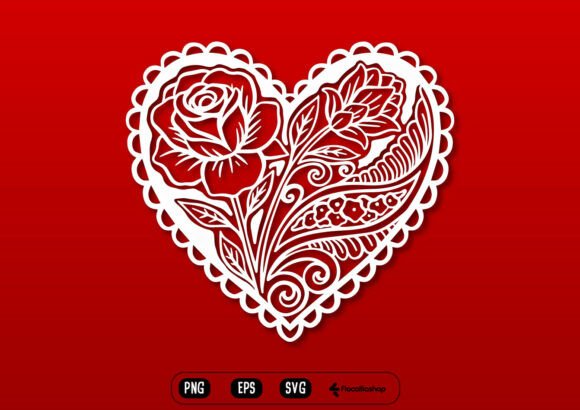
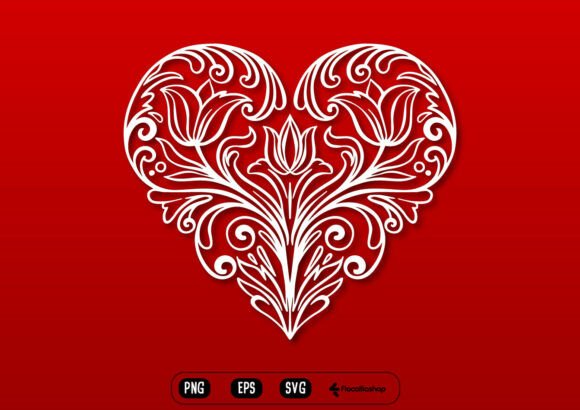
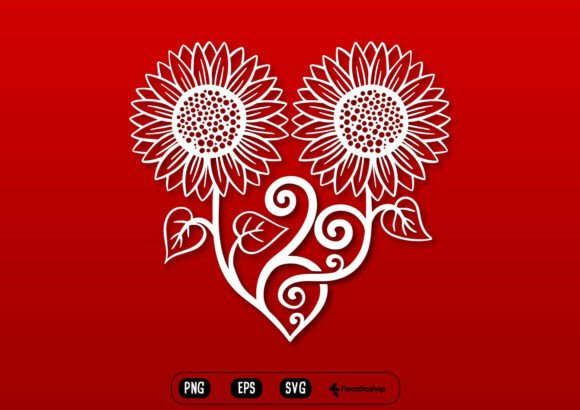
When I opened Hand Drawn Valentine Heart SVG, my immediate thought wasn’t “cute” — it was “considered.” This isn’t a generic heart with clip-art roses. It’s a hand-drawn illustration where every swirl feels intentional, the central rose has quiet botanical weight, and the surrounding flora breathes without crowding. The mood is tender but not saccharine — more heirloom sketchbook than greeting card. As an embroidery designer who’s stitched hundreds of hearts for boutique aprons, baby onesies, and wedding guest towels, I know how easily this theme can tip into visual clutter. Hand Drawn Valentine Heart SVG avoids that by balancing density with negative space — a critical detail when translating line art to thread.
How It Stitches in Real Life (Not Just on Screen)
Last week, I prepped a custom embroidered tote bag for a local florist’s Valentine pop-up — soft natural canvas, medium-weight, slightly textured. I digitized Hand Drawn Valentine Heart SVG as a machine embroidery design at 3.8" wide, using satin stitch for the rose center and gentle fill stitch for the outer leaves. The result? Crisp definition without stiffness. The swirls held their shape, the petals retained subtle contour, and the overall motif looked handmade — not machine-made. That distinction matters deeply to customers paying premium prices for personalized gifts or small shop products.
I also tested it on a lightweight cotton sweatshirt (heather grey, moderate stretch). Here, stabilizer choice became non-negotiable: medium tear-away + light cut-away backing kept the delicate outer tendrils from puckering. On stretchy fabric, dense areas like the rose core needed slight stitch-density reduction — not because the design failed, but because embroidery files demand thoughtful adaptation, not blind import. On baby onesies? Smaller scale (2.5") worked beautifully — the floral ornament softened into something sweet and subtle, never overwhelming.
Where It Shines — And Where to Pause
Hand Drawn Valentine Heart SVG excels in projects where romantic elegance meets tactile warmth: embroidered pillow covers for bridal showers, tea towel sets for artisanal kitchen shops, linen aprons for bakeries, or minimalist patches sewn onto denim jackets. Its illustration roots make it ideal for printable mockups — whether you’re listing on Etsy or pitching to a boutique buyer, the clean vector lines translate flawlessly to digital previews.
But let’s be real: it’s not universal. Avoid cramming it into tiny hoops (<4"). Those fine swirl and leaf tips will lose clarity below 2". On dark fabric, test thread colors carefully — ivory or blush thread reads softly; charcoal grey or burgundy adds grounded contrast without losing warmth. On highly textured fabrics like bouclé or thick terry cloth, simplify stitch types (favor running stitch outlines over dense fills) or reduce detail in outer foliage. And skip curved surfaces like structured caps unless you’re experienced with under-hooping and distortion compensation — the asymmetry of the hand-drawn swirls doesn’t forgive poor placement.
What It Does for Your Craft Business
This isn’t just another graphics file — it’s a brand amplifier. When used on a handmade product, Hand Drawn Valentine Heart SVG signals intentionality. Customers notice the difference between mass-produced hearts and one that looks like it was sketched first, then stitched with care. For Etsy sellers, that perception directly lifts perceived value and supports higher pricing. For craft fair vendors, it elevates booth cohesion — imagine matching embroidered napkins, oven mitts, and candle sleeves, all anchored by this same motif. Even digitally, as part of a bundle of design assets, its illustration quality makes it stand out among generic clip-art packs.
It also builds trust. A well-executed floral heart tells your buyer you understand proportion, balance, and textile behavior — not just how to run a machine. That matters whether you’re stitching a holiday embroidery gift for a client or building a consistent look across your small shop product line.
Practical Notes Every Embroidery Designer Should Check
- Always test on scrap fabric first — especially with textured or dark materials. What reads as delicate on screen may need adjusted tension or stabilizer layers in practice.
- Review stitch density before finalizing. High-density areas around the rose center can cause fabric distortion if unstabilized properly.
- Confirm hoop size compatibility. If you’re working with compact machines or tight garment seams (like sleeve cuffs), measure the widest point of the design before hooping.
- Inspect small details at actual stitch-out size. Those elegant leaf tips? They’ll vanish if scaled too small or stitched on unstable fabric.
- Test black-and-white mockups — they reveal contrast issues invisible on colorful screens, especially for commercial embroidery clients reviewing proofs.
- Compare performance on light vs. dark backgrounds. Some thread colors flatter the illustration on cream linen but disappear on navy twill.
- Use appropriate stabilizer: medium cut-away for knits, tear-away for stable wovens, and always back lightweight fabrics — no exceptions.
- Verify licensing terms before selling finished items or bundling the SVG as part of digital embroidery file collections. As an Illustrations asset, its reuse rights affect your craft business compliance.
Final Thought: A Quietly Confident Choice
Hand Drawn Valentine Heart SVG won’t shout. It doesn’t need to. Its strength lies in its quiet confidence — the kind that makes a customer pause mid-scroll, tilt their head, and think, “That feels special.” Whether you’re stitching a single personalized gift or scaling production for a seasonal collection, this design earns its place in your embroidery project toolkit not through flash, but through thoughtful execution. It respects the fabric. It honors the stitch. And most importantly, it gives your handmade product room to breathe — and be loved.