Flowing Heart Corner Flourish Element
A Designer’s First Glance: Soft Romance, Not Overdone
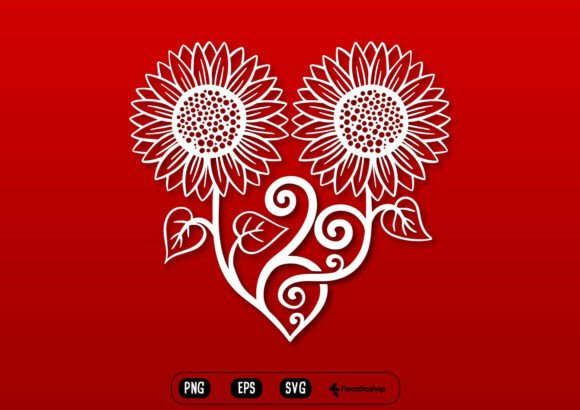
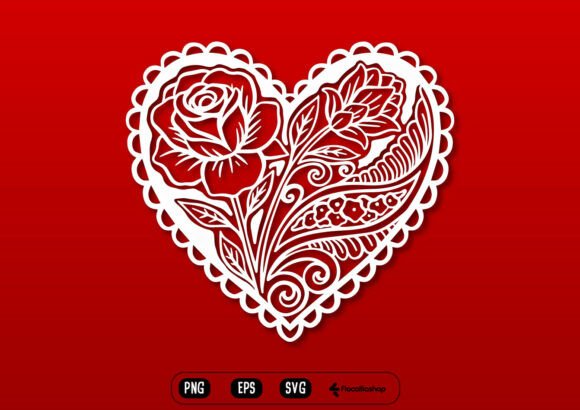
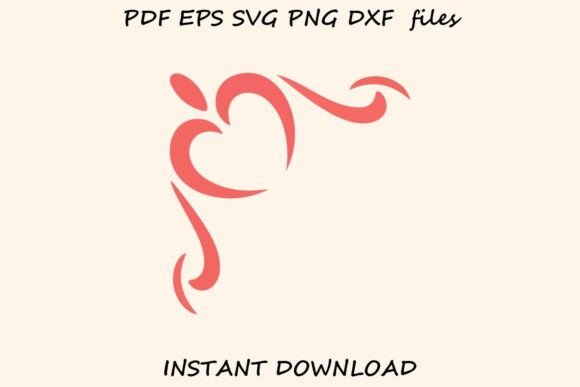
When I opened Flowing Heart Corner Flourish Element, my first thought wasn’t “cute” — it was “breathable.” That’s rare for a heart motif. The curves flow without stiffness, the negative space feels intentional, and the overall weight lands somewhere between delicate and confident. It doesn’t shout “Valentine’s Day!” — it whispers “thoughtful gesture.” As an embroidery designer who’s stitched hundreds of hearts (some charming, many forgettable), this one stands out because it avoids cliché while keeping warmth. It reads as romantic, yes — but also refined, unhurried, and quietly personal.
Real-World Test: A Custom Embroidered Tote for a Bridal Boutique
Last week, I used Flowing Heart Corner Flourish Element on a linen-cotton tote bag for a local bridal boutique’s gift set. The client wanted something subtle enough for everyday use but meaningful enough to feel like a keepsake — no lace, no script, no glitter. We placed it in the lower right corner, about 2.75 inches tall, using soft peach thread on ivory fabric. The result? Customers paused. Not just glanced. Paused. One bride said, “It feels like it belongs there — like it grew from the fabric.” That’s the mark of a well-balanced corner flourish: it anchors without overwhelming, decorates without distracting.
Where It Shines — And Where It Asks for Care
Flowing Heart Corner Flourish Element excels in projects where elegance matters more than impact: wedding stationery mockups, baby onesie corners, pillow covers for nursery decor, tea towels for artisanal kitchen brands, and minimalist aprons for bakeries or florists. Its soft decorative style translates beautifully into satin stitch outlines and gentle fill stitch gradients — especially when paired with matte cotton thread.
But here’s what I watch closely:
- Small hoop sizes: At under 3 inches wide, it fits comfortably in most 4x4 hoops — but test stitch first. Tight curves can compress slightly on low-stitch-count versions.
- Textured or stretchy fabrics: On terry cloth towels or ribbed knit sweatshirts, stabilize generously. The smooth curves rely on even tension — wobble shows fast.
- Dark or dense backgrounds: On navy denim or charcoal fleece, use a light stabilizer backing and consider a slightly heavier top thread to preserve definition.
- Curved surfaces (like caps): Avoid placing it across seams or crowns. It’s designed for flat, stable real estate — think tote corners, pillow hems, or card borders — not bill curvature.
What This Design Says About Your Finished Product
Using Flowing Heart Corner Flourish Element subtly elevates perceived value. It signals attention to detail — not just “I embroidered something,” but “I chose something that *means* something.” For Etsy sellers and small shop owners, that distinction builds trust. Buyers don’t just buy a monogrammed towel; they buy a curated moment. That soft curve says care. That balanced negative space says confidence. That corner placement says intentionality.
In commercial embroidery — say, for a boutique’s holiday gift line — this element helps unify branding without locking you into one theme. It works as quietly on a Valentine’s card as it does on a Mother’s Day tea towel or a baby milestone blanket. It’s versatile, not vague.
Practical Notes Every Embroidery Designer Should Check
Before stitching Flowing Heart Corner Flourish Element into your next project, do these five things:
- Test on scrap fabric first — especially if using textured weaves, knits, or blends. Watch how the inner curves hold up after washing.
- Check thread color contrast in natural light *and* under store lighting. Soft pinks and creams can disappear on off-white linens.
- Review stitch density. If your version uses heavy fill stitch in the heart’s center, reduce density slightly for lightweight fabrics like voile or rayon challis.
- Confirm hoop size compatibility. While it scales well, extreme shrinking below 2 inches may blur the graceful taper of the flourishes.
- Inspect small details in black-and-white mockups. Does the shape read clearly without color? If yes, it’ll translate cleanly across digital previews, printable mockups, and product photos.
Fabric & Context: Matching Intention With Execution
This isn’t a bold applique design meant for high-contrast trucker hats. It’s a graphics-style illustration — clean, scalable, and purpose-built for subtlety. That makes it ideal for handmade products where restraint reads as sophistication: embroidered patches for craft fair pins, corner accents on heirloom baby blankets, or quiet framing elements in printable wedding invitations.
On apparel, it performs best on structured, medium-weight fabrics: canvas totes, cotton poplin shirts, twill aprons, and brushed poly-cotton sweatshirts. Skip it for ultra-thin silks or heavily distressed denim — the softness of the design needs visual and physical support.
Licensing & Commercial Use: A Quiet Reminder
As an Illustrations asset, Flowing Heart Corner Flourish Element likely falls under standard commercial license terms — but always verify before selling finished items or bundling it into digital embroidery files for resale. If you’re an Etsy seller offering personalized gifts, this flourish adds charm without legal risk — assuming your source permits derivative use. When in doubt, contact the creator or check the original download page for usage rights.
Final Thought: Less Is Truly More Here
There’s a reason I keep coming back to Flowing Heart Corner Flourish Element for client work: it doesn’t try to do everything. It doesn’t compete with text. It doesn’t demand attention — it earns it. In a market crowded with busy, over-digitized motifs, this design breathes. And in embroidery — where every stitch is a commitment of time, thread, and trust — breathing room is the ultimate luxury.